Building a commercial pool demands technical skill, design expertise, and regulatory understanding. Unlike residential pools, commercial pools are built for high-traffic use in hotels, fitness centers, schools, and public recreational areas. Every detail is crucial, from the initial layout to the final water test. Whether you’re planning a new development or upgrading an existing facility, partnering with a skilled commercial pool builder ensures your project meets both functionality and safety standards. Unique climate and geography add additional considerations. Snowfall, UV exposure, and ground conditions all influence how a commercial pool is planned and constructed. Here’s a comprehensive look at building a commercial pool from start to finish.
Phase 1: Concept and Planning
Every successful pool project starts with a clear vision. During this initial phase, the project owner, architect, and pool builder collaborate to define the purpose of the pool, the desired features, and how the space will be used.
Important planning considerations include:


- Intended use: Will it be for fitness, leisure, therapy, or competition?
- User volume: Estimating how many people will use the pool daily.
- Regulatory requirements: Ensuring compliance with local health, safety, and ADA standards.
- Site evaluation: Soil quality, elevation, drainage, and access are reviewed to ensure feasibility.
Partnering with a reputable Utah commercial pool builder early on prevents costly surprises. Their expertise in local codes and climate impacts guides material, layout, and construction decisions.
Phase 2: Design and Engineering
Once the project concept is established, the design phase begins. This is where the team develops detailed blueprints, 3D renderings, and engineering specifications. These documents outline:
- Pool dimensions and shape
- Depth transitions and lane configurations (if applicable)
- Filtration, circulation, and heating systems
- Decking materials and surrounding landscape
- Lighting, handrails, and special features like spas or splash zones
Engineers ensure the structure’s durability against use, pressure, and weather. The design is submitted for permits and health department approval, with an experienced commercial pool builder managing submissions to ensure compliance with current regulations.
Phase 3: Excavation and Structural Build
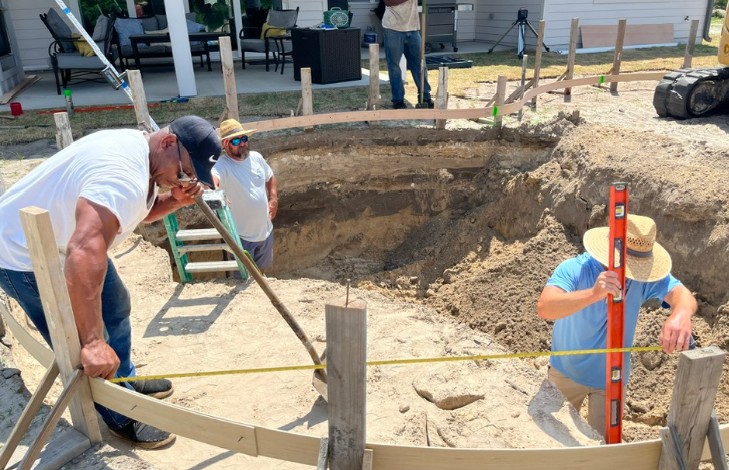
Once permits are secured, excavation begins. The land is cleared and dug to the design’s specific shape and depth, with careful attention paid to drainage and freeze protection due to seasonal climate shifts.
After site preparation, the structural shell is formed using materials like:
- Shotcrete or gunite for reinforced concrete pools
- Pre-cast or modular structures
- Steel framing and plumbing integration
At this stage, key systems such as drainage, circulation pipes, and skimmers are installed. A commercial pool builder ensures proper slope, reinforcement, and surface treatment to maintain durability and safety.
See also: 5 Signs Your Business Needs Search Engine Optimization Services in Orange County Now
Phase 4: Mechanical and Electrical Installations
Mechanical systems are the core of any commercial pool. This phase involves installing pumps, filters, heaters, and chemical feeders in the equipment room. Electrical components, such as underwater lighting, control panels, and automation systems, are wired to design specifications. This stage is crucial for long-term performance. A commercial pool must efficiently manage heavy use while ensuring water quality and energy efficiency. Experienced builders identify the best systems for each facility, recommending sustainable options to lower operating costs.
Phase 5: Interior Finishing and Decking
Once the structure is complete, the focus moves to interior finishing. Surfaces are finished with plaster, tile, or aggregate, depending on aesthetic and functional goals. These finishes influence the pool’s look, water feel, slip resistance, and ease of maintenance. Decking is then poured or installed around the pool’s perimeter. It must be slip-resistant, easy to clean, and durable enough to withstand foot traffic, weather, and UV exposure. Landscaping, fencing, safety railings, and furniture are also added. A commercial pool builder ensures all details meet code and enhance the overall user experience.
Phase 6: Final Testing and Opening
Before opening, the pool undergoes rigorous inspections and testing. Water is added, and circulation systems are activated. Chemical levels, water clarity, and temperature are tested to meet health standards. Safety equipment, including ladders and emergency shutoffs, is verified. Once inspections pass and the health department grants approval, the facility is ready for use.