Understanding how different running paces shape your training can transform the way you feel during each workout, whether you run before work, after dinner, or during a quiet weekend morning. Many everyday runners stick to a single speed, believing consistency means running at the same pace every time, yet this often leads to fatigue, plateaus, or frustration. When you learn to adjust your pace with purpose, running becomes more enjoyable, more comfortable, and more effective in improving fitness. In this article, we will explore how various paces work together to support better performance and a more rewarding running experience.
The Foundation: Your Easy Conversational Pace
How to Find and Trust Your Easy Pace
Your easy conversational pace is the effort level where you can speak in full sentences without gasping for air, making it ideal for relaxed runs on busy or tiring days. Many runners underestimate the value of slowing down, yet this pace supports comfort, confidence, and long-term consistency. Learning what is cadence running can help here, because paying attention to your step rhythm often makes it easier to settle into a smooth, gentle pace. When you allow yourself to run slowly without judgment, you reduce stress on your body and make running feel more sustainable. Trusting this pace builds a reliable foundation for all other types of training.
The Physiological Benefits of Easy Running
Easy running strengthens your aerobic system, helping your body use oxygen more efficiently during daily activities and longer workouts. This gentle pace encourages fat metabolism, conserves energy, and supports endurance development without excessive strain. Many runners notice quicker recovery, better sleep, and fewer aches when they include easy runs regularly throughout the week. Consistency at this pace gradually increases stamina, even if the improvements feel subtle at first. Over time, easy running becomes the quiet driver of lasting progress.


Building Stamina: Marathon and Threshold Pace
Defining and Running at Threshold Pace
Threshold pace sits just below the point where your muscles produce fatigue faster than your body can clear it, making it a controlled but challenging effort. Running at this pace helps you improve your ability to stay strong during longer or slightly harder runs in everyday life. You can identify it by noticing a steady breath that allows only short phrases rather than full conversation. This effort teaches your body to tolerate discomfort without tipping into exhaustion too quickly. With practice, threshold pace becomes a useful tool for building resilience.
How Tempo Runs Improve Your Fitness
Tempo runs maintain threshold pace for a set duration, giving you structured practice at holding a strong yet manageable effort. Many runners find that these workouts improve confidence by showing what steady concentration feels like over time. Tempo running helps strengthen mental focus, which is valuable during busy days when distractions might pull you out of rhythm. These runs also improve your ability to sustain pace during longer distances or hilly routes. Including them occasionally adds depth to your training without overwhelming your schedule.
Boosting Speed: Interval and Race Paces
The Role of Short, Fast Intervals
Short intervals allow you to run faster than usual for brief periods, followed by rest or gentle jogging. This structure helps improve leg turnover, cardiovascular power, and confidence at higher speeds. Intervals fit easily into a weekday routine because they can be completed in a short amount of time, even on a local path or neighborhood loop. These bursts of effort make everyday running feel lighter and more efficient. Over time, intervals help you run faster with less strain.
Practicing Your Goal 5K and 10K Pace
Running at your intended race pace helps you learn what it feels like when you are neither sprinting nor relaxing, but holding steady. Practicing this pace builds familiarity, making it easier to judge effort without constantly checking your watch. Many runners find this type of training helpful when preparing for fun runs, charity events, or personal challenges. It also teaches pacing control, which prevents starting too fast and fading later. Practicing race pace adds clarity and direction to your training.
How to Measure and Monitor Your Pace
Using Technology: GPS Watches and Heart Rate
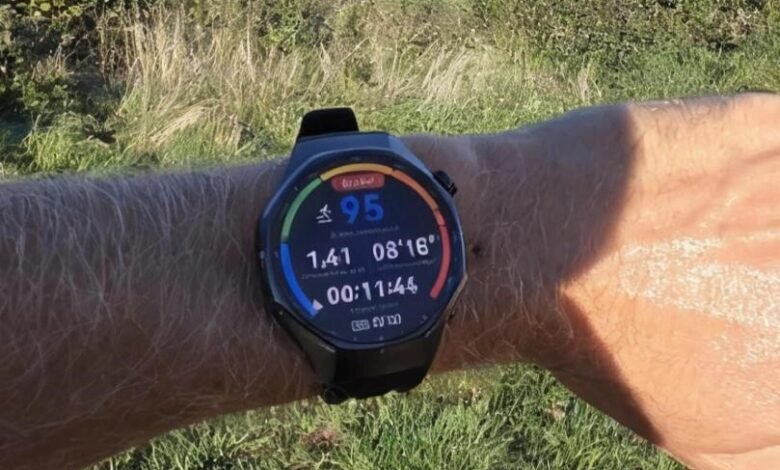
Technology can help you track distance, pace, and effort, especially when you are learning how different speeds feel in real time. For instance, a Huawei smartwatch can provide heart rate zone monitoring and helpful data summaries that show how your effort changes throughout a run. These insights make it easier to avoid pushing too hard on easy days or holding back during faster workouts. Many runners enjoy using technology as a gentle guide rather than a strict measure. When used thoughtfully, it supports awareness and confidence.
The Low-Tech Method: Perceived Effort
Perceived effort encourages you to judge your pace based on breathing, muscle sensation, and overall comfort rather than numbers. This approach works well for runners who prefer simplicity or who run in familiar neighborhoods, parks, or trails. Paying attention to internal cues helps you adapt naturally to weather, terrain, stress, or fatigue. Many runners appreciate how this method builds intuition and reduces pressure. Over time, perceived effort becomes a reliable tool for guiding pace.
Creating a Balanced Pace Training Plan
A balanced pace plan combines easy runs, tempo efforts, intervals, and comfortable endurance days in a rhythm that fits your lifestyle. This variety prevents monotony and helps different systems develop without overwhelming your body. Most runners benefit from keeping easy runs as the majority of weekly mileage, with harder efforts appearing only occasionally. This approach supports steady progress, injury prevention, and enjoyment, which are essential for long-term consistency. By matching pace variety with real-life demands, running becomes adaptable rather than demanding.
Conclusion
Understanding different running paces allows you to train with purpose rather than guesswork. When you learn how to adjust your speed according to the day, your energy, and your goals, running becomes more comfortable and more rewarding. This knowledge supports stronger performance, better endurance, and increased motivation. With patience and curiosity, you can refine your pacing skills and enjoy every type of run more fully. Becoming a smarter runner leads naturally to becoming a faster one.