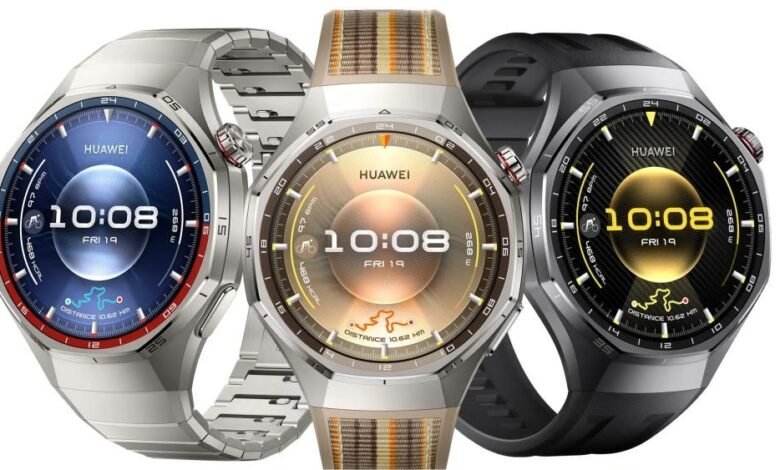
Fatigue does not appear all at once. It builds quietly—through poor sleep, stress, inconsistent training, long work hours, or even dehydration. The challenge for most people is that fatigue is often invisible until it becomes overwhelming. This is where a smartwatch becomes valuable. It works as a health monitor, observing patterns your body shows long before you consciously notice them. A smartwatch can detect shifts in heart behavior, breathing, sleep cycles, and activity performance. These signals create a bigger picture of your physical and mental energy. With advanced tracking features, the HUAWEI WATCH GT 6 Pro offers insights into stress levels, sleep stages, oxygen saturation, and fatigue-related trends through its TruSense health system. Instead of guessing when you need rest or recovery, you gain data that guides healthier choices and prevents burnout.
Early Fatigue Signals Detected Through Heart and Stress Metrics
Heart-Rate Variability (HRV) Shows Your Body’s Stress Load
One of the earliest signs of fatigue is a drop in heart-rate variability, the measurement of how much time fluctuates between each heartbeat. When your body becomes stressed or overtired, this variability decreases. Smartwatches track this pattern continuously and quietly. The HUAWEI WATCH GT 6 Pro measures HRV around the clock, helping you understand when your stress load is rising, even if you feel “fine.” A sudden decline in HRV often means your nervous system is working overtime, indicating poor recovery or emotional strain. When you see this trend early, you can adjust your workload, rest more intentionally, or ease up on intense training. This prevents fatigue from developing into exhaustion or injury.
Resting Heart Rate Rises When the Body Is Overtired
Your resting heart rate is another clear indicator of fatigue. When you sleep poorly, train excessively, or experience mental stress, your resting heart rate increases. A smartwatch observes this shift automatically. The HUAWEI WATCH GT 6 Pro shows resting heart-rate trends over days and weeks, allowing you to spot subtle rises that signal your body is struggling to recover. Even a few beats per minute higher than your normal baseline can reveal dehydration, illness, or cumulative fatigue. This trend helps you understand when to slow down and support your body rather than pushing harder.


Stress Tracking Reveals Emotional and Physical Tension
Fatigue isn’t only physical. Stress—whether from work, life changes, or training—contributes heavily. Smartwatches measure stress levels using a combination of heart-rate patterns and physiological responses. The HUAWEI WATCH GT 6 Pro offers refined stress tracking that indicates when your stress rises throughout the day. These fluctuations help you see if certain activities or times create mental overload. The watch also suggests breathing exercises during high-pressure moments, guiding you toward calmness. Over time, these subtle interventions help you maintain emotional wellness and reduce the risk of long-term fatigue buildup.
Fatigue Signals Reflected in Sleep, Oxygen Levels, and Activity Performance
Sleep Disturbances Indicate Early Fatigue and Poor Recovery
Sleep is one of the most accurate indicators of fatigue. Even slight disruptions—shorter sleep hours, reduced deep sleep, or frequent waking—signal that your body is not recovering adequately. Smartwatches track sleep stages and present them clearly, allowing you to monitor patterns night after night. The HUAWEI WATCH GT 6 Pro enhances this with improved detection of sleep stages, wake-ups, respiratory rate, and heart rate during sleep. Fatigue often shows up as fragmented rest, shorter deep sleep, or elevated nighttime heart rate. With this data, you understand how habits like late eating or evening stress affect you. When you see sleep decline early, you can respond before deeper fatigue sets in.
Blood Oxygen Trends Reveal Fatigue Linked to Breathing and Energy
Oxygen saturation levels indicate how efficiently your body is supplying your system with oxygen. When fatigue builds—especially from altitude, respiratory strain, or overtraining—oxygen levels can drop slightly. Smartwatches that track SpO₂ help you identify these patterns. The HUAWEI WATCH GT 6 Pro measures blood oxygen anytime you check it, and this insight helps you identify whether low-energy days come from poor breathing efficiency or stress-related shallow breathing. These subtle signs help you improve your habits—such as incorporating mindful breathing or adjusting workout intensity—to restore energy more effectively.
Activity Performance Metrics Show Decline Before You Feel It
Your performance during everyday movement reveals fatigue more than you realize. Slower pace, reduced stability, lower power output, or increased effort at the same speed are all fatigue markers. Smartwatches display these changes clearly. The HUAWEI WATCH GT 6 Pro provides detailed data across running and cycling, including heart-rate trends, incline, pace, speed, and workout intensity. When fatigue sets in, your heart rate often rises faster than usual, your pace drops, or your perceived effort increases at the same level of activity. These patterns help you decide when to rest, when to train lightly, and when your body is ready for progression. This protects you from pushing too hard during vulnerable moments.
Conclusion
A smartwatch detects fatigue through subtle signs in heart behavior, stress patterns, sleep stages, oxygen levels, and workout performance. Instead of relying on guesswork, you gain a clear picture of how your body and mind respond to daily challenges. With features like HRV tracking, stress monitoring, detailed sleep analysis, and real-time exercise data, the HUAWEI WATCH GT 6 Pro provides insights that help you manage your energy more effectively. These early indicators make it easier to adjust your schedule, rest when needed, and maintain steady wellness habits. When fatigue becomes visible through real data, you prevent burnout, train smarter, and support long-term health with confidence.