Industrial design transforms raw, functional materials into a sophisticated living space. Drawing inspiration from warehouses, factories, and other urban structures, this aesthetic celebrates simplicity and utility. Building a home with industrial elegance means creating a standout property that is both visually striking and highly practical. It’s about showcasing the beauty in structural elements that other styles often conceal.
Embracing the Industrial Philosophy
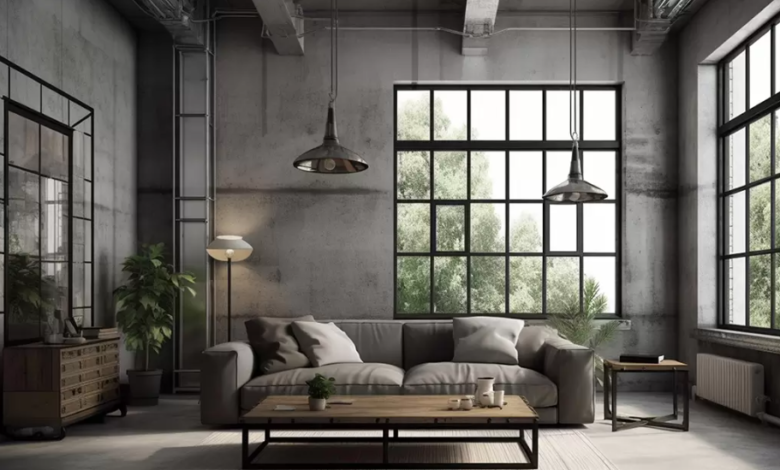
At its core, industrial design is about honesty in materials. It finds beauty in exposed brick, visible ductwork, and weathered wood surfaces. This approach prioritizes open-plan living, creating expansive, multi-functional spaces that feel both airy and grounded. High ceilings and large windows are hallmarks of the style, flooding interiors with natural light and enhancing the sense of space.
Building an industrial-inspired home is less about ornamentation and more about celebrating the structure itself. The focus shifts to texture, form, and the interplay between different raw materials. The result is a dwelling that feels authentic, robust, and uniquely connected to its construction.
Key Materials and Finishes
Choosing the right materials is fundamental to achieving an authentic industrial look. A thoughtful combination of textures and finishes creates a layered, visually interesting environment.
Concrete and Metal
Concrete is a cornerstone of industrial design, valued for its durability and minimalist appeal. Polished concrete floors provide a sleek, seamless foundation for any room. Concrete can also be used for countertops or as an accent on feature walls, offering a cool, textural contrast to other elements.
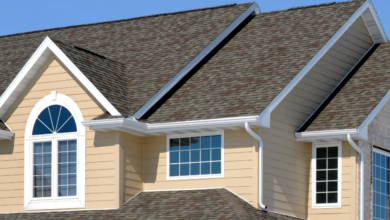
Metals such as steel, iron, and copper are essential for both structural and decorative purposes. Exposed steel beams are a classic feature, adding architectural interest and strength. Metal is also used for staircases, window frames, and lighting fixtures, contributing to the utilitarian-chic vibe. For instance, the durability and clean lines of a new metal roof in Michigan can perfectly complement the industrial exterior, providing both long-lasting protection and a cohesive design statement.
Brick and Wood
Exposed brick walls add warmth, color, and a sense of history to an industrial interior. Whether you use reclaimed bricks or new ones with a rustic finish, this element introduces a powerful textural component.
Wood provides a necessary organic balance to the harder materials like metal and concrete. Reclaimed wood flooring, ceiling planks, or custom furniture can soften the space and add a touch of natural warmth. Look for wood with a visible grain and a slightly distressed finish to maintain the raw aesthetic.
Designing Functional Open Spaces
Industrial homes are known for their open-concept layouts. The absence of traditional dividing walls creates a seamless flow between the kitchen, living, and dining areas. This design encourages social interaction and enhances the home’s versatility.
To define different zones within a large, open room, use strategic furniture placement. A large area rug can anchor a living space, while a long dining table can delineate the eating area. Bookshelves and freestanding partitions also work well as subtle dividers without compromising the open feel.
Maximizing Light and Height
Large, unadorned windows are a defining characteristic of industrial architecture. Often framed in black steel, these windows allow maximum natural light to enter, which is crucial for making the space feel bright and welcoming. High ceilings further amplify the sense of openness and provide an opportunity to showcase dramatic pendant lighting or impressive ceiling features like exposed ductwork.
See also: How Professional Mold Removal Prevents Property Damage and Increases Home Value
Finishing Touches for an Authentic Feel
Once the structural elements are in place, the final details bring the industrial vision to life.
- Lighting: Choose fixtures that make a statement. Vintage-style filament bulbs, metal cage pendants, and track lighting are popular choices that align with the factory-inspired look.
- Color Palette: Stick to a neutral color scheme dominated by gray, black, and white. This allows the textures of the raw materials to take center stage. Use accent colors sparingly, perhaps through a piece of art or a few soft furnishings.
- Furniture: Select furniture with clean lines and a focus on function. Pieces made from a mix of wood and metal are ideal. A comfortable, oversized sofa can soften the space and provide an inviting focal point.
By carefully selecting materials and prioritizing open, functional design, you can build a home that embodies industrial elegance. This style creates a unique living environment that stands out for its bold character and timeless appeal.