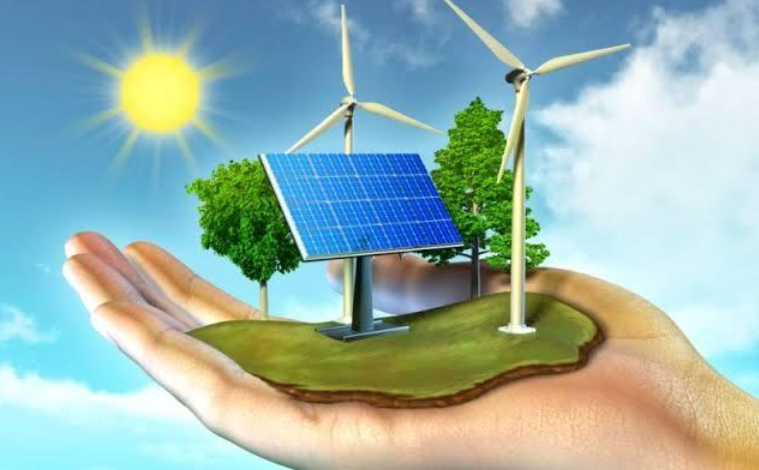
The scientific consensus is clear: climate change represents one of the most significant challenges of our time. Rising global temperatures, extreme weather events, and melting polar ice caps are not distant threats but present-day realities. As nations and industries seek effective solutions, the transition to renewable energy has emerged as a cornerstone of global climate action.
An Overview of Key Renewable Technologies
Renewable energy comes from sources that are naturally replenished, such as sunlight, wind, water, and heat from the Earth’s core. Unlike fossil fuels, which release harmful pollutants and carbon dioxide when burned, renewable technologies generate power with minimal environmental impact. Here are the primary forms of renewable energy leading the global transition.
Solar Power
Solar technology harnesses the sun’s energy in two main ways. Photovoltaic (PV) panels, which are becoming increasingly common on rooftops and in large-scale solar farms, convert sunlight directly into electricity. Concentrated solar power (CSP) systems use mirrors to concentrate sunlight, heating a fluid to produce steam that drives a turbine. The versatility and falling costs of solar panels have made them a popular choice for both residential and utility-scale projects.


Wind Power
Wind turbines capture kinetic energy from the wind and convert it into electricity. Large turbines, often grouped in wind farms on land or offshore, can generate substantial amounts of power. Wind is a powerful resource, but its effectiveness depends on geographical location and consistent wind patterns. Offshore wind farms, in particular, are gaining traction as they can access stronger and more consistent winds than their onshore counterparts.
Hydropower
Hydropower is one of the oldest and most established forms of renewable energy. It generates electricity by using the flow of water to spin turbines. This is typically done by building dams on rivers to create a reservoir, allowing for a controlled release of water. While large-scale dams can have significant environmental and social impacts, smaller, run-of-the-river systems offer a more sustainable alternative by generating power without disrupting river ecosystems.
Geothermal Energy
Geothermal energy taps into the heat from the Earth’s core. Power plants drill deep into underground reservoirs of hot water and steam, which are then used to drive turbines and generate electricity. Geothermal is a highly reliable and consistent energy source, as it is not dependent on weather conditions. It is most viable in geologically active regions where heat is closer to the surface.
See also: Mastering Trading Technical Analysis: An Essential Guide for Smarter Investments
How Renewables Reduce Carbon Emissions
The fundamental advantage of renewable energy technologies is their ability to generate electricity without burning fossil fuels. This process directly addresses the primary driver of climate change: the accumulation of greenhouse gases, particularly carbon dioxide (CO2), in the atmosphere.
When fossil fuels like coal, oil, and natural gas are burned for energy, they release vast amounts of stored carbon into the atmosphere. This carbon traps heat, leading to a gradual warming of the planet. Renewable technologies interrupt this cycle.
- Solar panels generate electricity through a chemical reaction when sunlight strikes them, producing zero emissions during operation.
- Wind turbines use mechanical force to create electricity, with no combustion involved.
- Hydropower leverages the gravitational flow of water, a purely physical process.
- Geothermal plants use the Earth’s natural heat, releasing minimal emissions, which are often just water vapor.
By displacing electricity generated from fossil fuels, every kilowatt-hour of renewable energy produced prevents CO2 from entering the atmosphere. For example, a single utility-scale wind turbine can offset thousands of tons of CO2 annually compared to a coal-fired power plant. The cumulative impact of scaling up these technologies globally is immense, representing our most viable pathway to decarbonizing the energy sector.
Challenges and Solutions for Renewable Adoption
Despite their environmental benefits, transitioning to renewable energy is not without its hurdles. These challenges require innovative solutions and strategic planning to overcome.
Intermittency and Energy Storage
One of the biggest challenges is intermittency. Solar power is only generated during the day, and wind power relies on the wind blowing. This variability can create instability in the power grid.
- The Solution: Advances in energy storage, particularly battery technology, are becoming crucial. Large-scale battery farms can store excess energy produced during peak generation times and release it when needed, ensuring a stable supply. Pumped-storage hydropower and emerging technologies like green hydrogen also offer promising ways to store energy for long-term use.
Infrastructure and Grid Modernization
Existing power grids were designed for centralized fossil fuel plants, not for distributed renewable sources. Integrating a high percentage of renewables requires significant grid upgrades.
- The Solution: Building “smart grids” that use digital technology to manage electricity flow more efficiently is essential. These grids can better handle the two-way flow of electricity from sources like rooftop solar panels and balance supply and demand in real time. Investing in new transmission lines is also necessary to carry power from remote renewable-rich areas to population centers.
Land and Resource Use
Large-scale renewable projects, such as solar and wind farms, require significant land. There are also environmental concerns related to the mining of materials needed for panels and turbines, like lithium and cobalt.
- The Solution: Strategic site selection, such as placing solar farms on non-arable land or developing offshore wind, can minimize land-use conflicts. Additionally, a growing focus on recycling and developing alternative materials can reduce the environmental footprint of manufacturing renewable technologies. For example, research into the effective use of solar power in Utah has included studies on agrivoltaics, where crops are grown under solar panels, making dual use of the land.
The Future of Renewable Energy
Innovation in the renewable energy sector is accelerating, promising even more effective and accessible solutions in the years to come. Future trends are set to revolutionize how we produce and consume energy.
- Floating Solar and Wind Farms: Placing solar panels and wind turbines on bodies of water opens up new areas for energy generation and can be more efficient due to cooling effects and stronger offshore winds.
- Next-Generation Solar Cells: New materials like perovskites have the potential to create solar cells that are more efficient, flexible, and cheaper to produce than traditional silicon-based panels.
- Advanced Geothermal Systems: Enhanced geothermal systems (EGS) are being developed to create geothermal reservoirs in areas without natural hot water sources, expanding the technology’s geographic potential.
- AI and Machine Learning: Artificial intelligence is being used to optimize the performance of renewable energy systems, from predicting wind patterns for turbine placement to managing grid stability with greater precision.
Conclusion
The transition to renewable energy is not just a task for governments and large corporations; it is a collective effort that requires broad public support. By embracing renewable technologies, we can secure a cleaner, healthier, and more sustainable future.