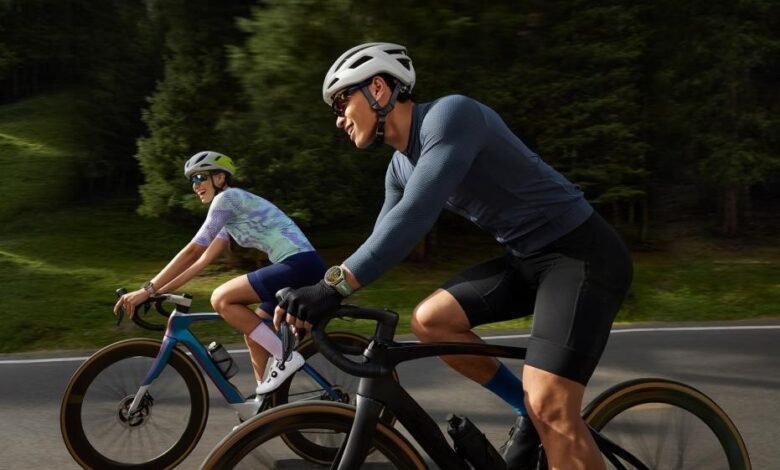
Building a cycling fitness plan involves more than just riding regularly—it requires tracking progress, managing training intensity, monitoring recovery, and understanding long-term performance trends. Smartwatches have become powerful allies for cyclists because they combine advanced sensors, fitness algorithms, and real-time feedback into one lightweight device. With models like the Huawei Watch GT 6 leading the way in accuracy and versatility, cyclists at every level can train smarter, stay motivated, and achieve their goals more efficiently. Here’s how smartwatches enhance your cycling training journey.
How Smartwatches Strengthen Your Cycling Fitness Plan?
Smartwatches offer an array of features that support every stage of training—from planning and execution to recovery and long-term analysis.
Tracking Essential Metrics for Every Ride
One of the biggest advantages of using a smartwatch is the automatic recording of core cycling metrics such as distance, speed, heart rate, elevation, and cadence. The Huawei Watch GT 6’s multi-band GPS ensures precise route tracking, even in forests or mountain terrain. By logging consistent data across all your rides, the watch helps you understand patterns in your performance and refine your cycling fitness plan accordingly.


Heart Rate Zones Guide Training Intensity
Heart-rate monitoring allows cyclists to train at the right intensity for their fitness goals. Whether you’re working on endurance, tempo, or interval training, knowing your heart-rate zone ensures you’re optimizing effort rather than overtraining. The Huawei Watch GT 6 uses the TruSense sensor to provide highly accurate readings during climbs, sprints, and long steady rides, ensuring you stay within the ideal range for your planned workout.
Virtual Power Helps Structure Training Without Extra Equipment
Power-based training is one of the most effective approaches for cyclists, but not everyone owns a physical power meter. With Huawei’s Virtual Power, the GT 6 estimates wattage using GPS speed, gradient, elevation, and rider weight. This lets cyclists perform structured training, like tempo intervals or threshold sessions, based on consistent effort instead of just speed. It’s an affordable way to bring power training into your cycling fitness plan.
Cadence and Speed Monitoring Improve Efficiency
Pedal rhythm plays a significant role in cycling performance. Smartwatches track cadence and speed to help cyclists find an efficient pedaling style. If your cadence drops during climbs or high-intensity rides, it may signal fatigue or improper gear usage. The GT 6 provides real-time cadence feedback, helping riders maintain smooth, efficient pedaling across varied terrain. Over time, this improves endurance and reduces the risk of injury.
Recovery Insights Prevent Overtraining
Smart training doesn’t stop when the ride ends. Smartwatches analyze post-ride recovery factors such as HRV, sleep quality, stress levels, and training load. The Huawei Watch GT 6 provides personalized recovery recommendations, telling you how long to rest before the next intense session. For cyclists who push hard or ride multiple times per week, these insights are essential for preventing overtraining and maintaining long-term progress.
Weekly Summaries Reveal Long-Term Trends
Smartwatches compile weekly performance summaries that highlight total mileage, intensity distribution, elevation gain, heart-rate trends, and fatigue levels. Huawei Health offers clear visuals and charts that help cyclists evaluate whether their training load is balanced and whether they’re improving over time. This long-term perspective ensures your cycling fitness plan evolves as your body adapts.
Safety Features Enhance Confidence on the Road
Training is most effective when cyclists feel secure. The GT 6 includes fall detection, SOS alerts, and accurate route tracking, giving riders extra peace of mind during solo or remote rides. These safety tools allow cyclists to focus fully on training without worrying about unexpected risks.
Conclusion
Smartwatches support cycling fitness plans by tracking essential metrics, guiding training intensity, enhancing efficiency, and providing recovery insights that promote long-term improvement. Devices like the Huawei Watch GT 6 make structured training accessible by offering power estimation, accurate heart-rate tracking, and weekly performance summaries in a sleek, durable package. With the right smartwatch on your wrist, every ride becomes more effective, data-driven, and aligned with your cycling goals.