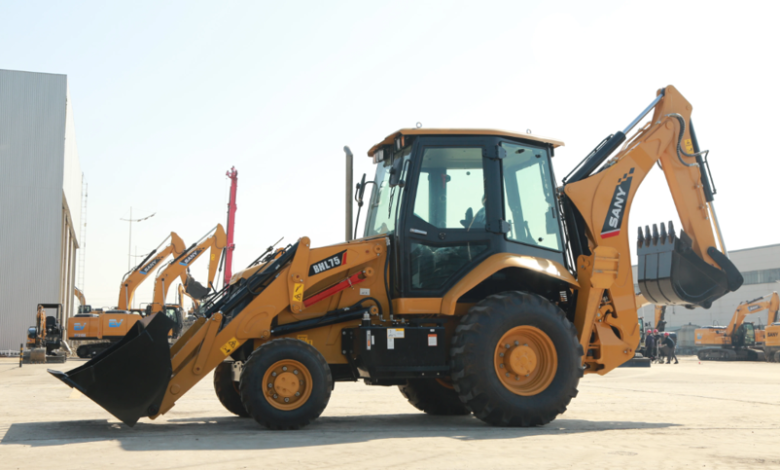
Backhoe loaders are essential for construction and landscaping projects. To maximize their lifespan and functionality, adhering to a detailed maintenance routine is crucial. This guide covers practical tips for maintaining backhoe loaders effectively. Regular upkeep not only enhances performance but also helps avoid costly repairs and downtime. By focusing on daily checks, fluid maintenance, system inspections, and seasonal adjustments, operators can ensure that their machines remain reliable over time. Whether you’re managing a fleet or a single loader, understanding these maintenance practices helps in keeping your equipment in top working condition, thus ensuring smooth operations and better productivity on site.
Daily Maintenance Checklist
Pre-Operation Inspection
Before operating a backhoe loader, conduct a thorough pre-operation inspection. This involves checking the machine’s overall condition, including tires, lights, and fluid levels. Ensure there are no visible damages or leaks that could lead to operational hazards. Inspect the cab for cleanliness and the functionality of controls and gauges. Verifying tire pressure and wear is vital; uneven pressure may affect stability and operational safety. Additionally, reviewing the hydraulic systems for any noticeable leaks or damage helps prevent major failures. Operators should also assess the attachment points and verify that bolts and pins are secure to avoid operational disruptions. By taking these precautions, you foster a safe working environment and prolong the life of your equipment.
Cleaning After Use
After each day’s use, cleaning your backhoe loader is essential to preserve its condition. Remove dirt, mud, and debris from various parts, focusing on the engine area, undercarriage, and hydraulic components. Dirt buildup in these areas can cause wear and reduce efficiency, risking long-term damage. Utilize appropriate cleaning tools and solutions to ensure a thorough cleanse. Clear the cab space of all trash and residue, maintaining operator comfort and safety for future use. Check the air filters and ensure they’re free from dust restrictions that may impede performance. Also, provide the windows and mirrors with regular wiping to maintain visibility. This routine cleanliness habit doesn’t just sustain the machine’s operational capacity but also boosts its resale value.


Engine and Fluid Care
Check and Change Engine Oil
Regularly checking and changing engine oil is crucial for peak engine performance. Begin by verifying the oil level using the dipstick and ensure it’s within the recommended range. Schedule oil changes based on the manufacturer’s guidelines, as neglecting this can lead to engine wear, reduced efficiency, and increased fuel consumption. Use the appropriate oil type specified in the owner’s manual for the best results. Changing oil filters concurrently can prevent contaminants from impacting engine health. A regular oil maintenance routine supports smoother operations and extends engine life, minimizing downtime and repair costs.
Monitor Coolant and Other Fluids
Fluid care is vital for efficient backhoe loader performance. Monitoring coolant levels is essential; inadequate coolant can lead to overheating and subsequent engine damage. Regularly inspect the coolant reservoir and top up as needed using the specified type for your loader. Additionally, keep power steering, brake, transmission, and hydraulic fluids at optimal levels, ensuring the machine operates effortlessly. Leaks can signal serious issues, so inspect under the machine for any evidence of fluid loss. Regular checks and timely replenishment safeguard the loader’s numerous systems, optimizing performance and longevity.
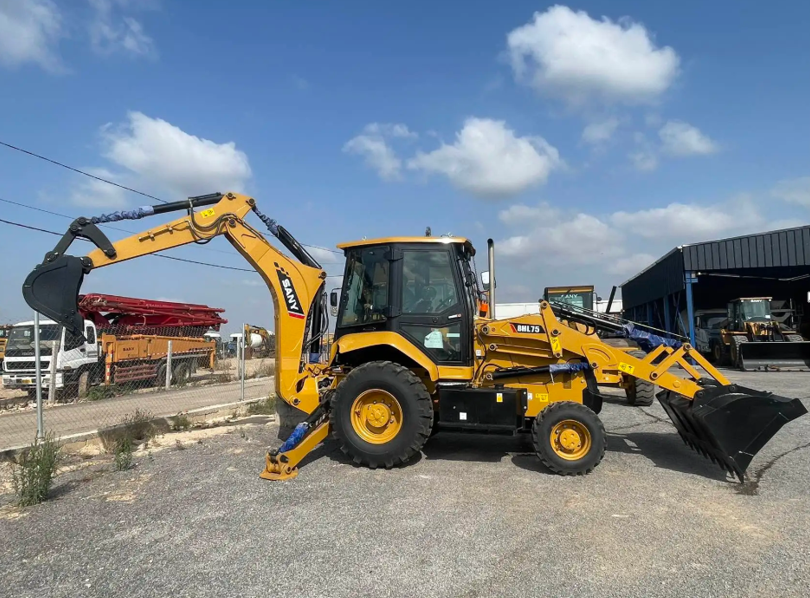
Hydraulic System and Attachment Maintenance
Inspect Hoses and Hydraulic Lines
Inspecting hoses and hydraulic lines regularly is necessary to prevent leaks and bursts that could disrupt operations. Look for signs of wear, cracks, or damage, particularly where the hoses bend or face abrasion. Replacing compromised hoses promptly avoids further equipment damage and ensures optimal hydraulic power delivery. Consider using protective covers or sleeves to extend hose life. Periodic inspections prevent costly repairs and maintain system efficiency, vital for safe and smooth backhoe operation.
Maintain Backhoe Arm, Boom, and Attachments
Regular maintenance of the backhoe arm, boom, and attachments ensures operational safety and efficiency. Conduct checks to identify wear, cracks, or loose components. Lubricate pivot points and joints to minimize friction and prevent premature wear. Verify that attachments are securely fastened and inspect locking mechanisms for optimal function. Regular maintenance not only prevents malfunction but also optimizes performance, enabling precision in tasks and prolonging the lifespan of the equipment. Engage a professional for any repairs or adjustments to ensure safety.
See also: Unlocking Online Potential for Modern Businesses
Tire, Track, and Undercarriage Maintenance
Tire Pressure and Wear Checks
Keeping tire pressure and wear in check is critical for safe backhoe operation. Properly inflated tires ensure optimal traction and reduce wear patterns that can lead to expensive replacements. Use a gauge to measure tire pressure daily, adjusting as needed according to the manufacturer’s specs. Examine tires for cuts, punctures, and uneven tread wear regularly; these signs may indicate alignment issues. Immediate attention to tire problems heightens safety and prolongs the tires’ life, maintaining effective backhoe performance.
Track Tension and Condition
For loaders with tracks, ensuring the correct tension and condition is essential. Check that track tension aligns with manufacturer recommendations, as overly tight tracks can accelerate wear, and loose tracks may impair mobility. Inspect for signs of damage and clean the tracks regularly to prevent soil build-up, which affects traction. Proactive track maintenance reduces downtime and guarantees efficient operation across different terrains and work conditions.
Electrical and Safety System Checks
Battery and Wiring Inspections
Regular inspection of the battery and wiring systems is crucial for safe operations. Verify battery connections are secure and free from corrosion, as this impacts the electrical system integrity. Assess wiring for fraying or damage, which can lead to shorts or electrical failures. Secure loose cables and replace any damaged components promptly. A robust electrical system supports reliable engine starting and essential machine functions, preventing operational delays.
Lights, Gauges, and Safety Features
Ensure all lights, gauges, and safety features are fully operational before each use. Functioning lights are critical for visibility, especially in low-light conditions or confined spaces. Check that gauges provide accurate readings, as misinformation could lead to misuse or mechanical issues. Inspect safety features, such as seat belts and alarms, ensuring they engage properly to maintain operator safety. Regularly checking these components supports safe machine operations and efficient work processes.
Seasonal and Long-Term Care
Winter Preparation Strategies
Preparing backhoe loaders for winter involves several key actions. Begin by using winter-grade oils and lubricants that function optimally in cold conditions. Install block heaters to facilitate easier engine starts. Inspect the battery for full charge capability, as cold weather can reduce efficiency. Tire chains or snow tires improve traction on slippery surfaces, and antifreeze is crucial for preventing coolant system freezing. Keep fuel systems full to prevent moisture accumulation. Regular winter preparation ensures minimal downtime and maintains machine performance despite harsh conditions.
Hot Weather and Dusty Conditions
Warm climates and dusty environments demand specific maintenance strategies for backhoe loaders. Use appropriate coolant to manage engine temperatures and prevent overheating. Regularly clean air filters to avoid dust-related clogs that impair engine efficiency. Inspect rubber components like hoses and tires, as extreme heat can lead to degradation. Consider equipment covers for dust protection. Observing these proactive care measures ensures reliability and efficiency even in demanding conditions.
Use Quality Parts and Follow Manuals
OEM Parts for SANY Backhoe Loaders
Using OEM (Original Equipment Manufacturer) parts for your SANY backhoe loader guarantees compatibility and reliability. These parts are designed to meet the original specifications and contribute to preserving the machine’s performance and longevity. Substituting with non-OEM components could risk operational efficiency and void warranties. Therefore, prioritize authentic parts for repairs and replacements, ensuring sustained equipment integrity and smooth function.
Follow Manufacturer Maintenance Schedule
Adhering to manufacturer maintenance schedules is vital for operational consistency. These guidelines provide insights into routine checks and replacement timelines crucial for equipment longevity. They address various aspects, from fluid changes to inspecting structural components. Following these schedules not only maintains peak performance but also adheres to warranty obligations, which can be invaluable in securing future service options. Commitment to these preventive measures fosters durable backhoe loader functionality.
Conclusion
Maintaining a backhoe loader through regular practices ensures longevity and operational efficiency. From daily checks to seasonal adjustments, each maintenance activity plays a significant role in safeguarding performance and preventing downtime. Following manufacturer guidelines, employing quality parts, and observing detailed inspections reveal dedication to comprehensive equipment care. Backhoe loaders, pivotal in numerous works, benefit significantly from these proactive efforts, providing reliable service and enhanced productivity. Keep this guide handy to perform these essential tasks, ensuring your backhoe loader remains a valuable asset in all your projects.